
FIT
Technical fitVentilation demand, façade suitability and expected useful heat.
Industrial solar air heating projects are evaluated on their technical fit, expected useful heat, fuel savings and project economics. A clear feasibility assessment can also help companies review potential grant, incentive and financing options.
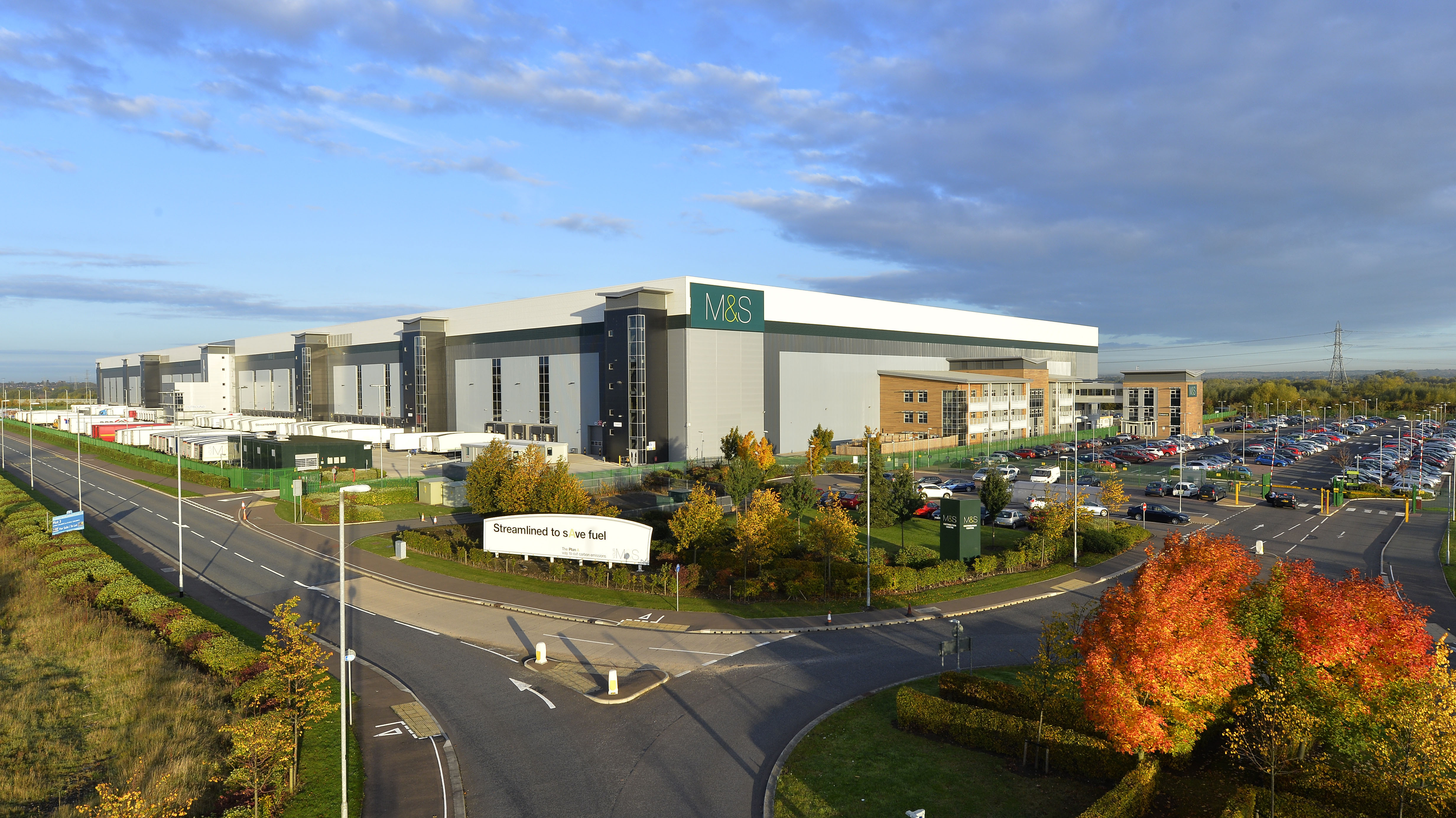
Useful heat, fuel savings, carbon impact and implementation scope help shape the right investment conversation.
Most industrial teams want clarity on four core points before moving forward.
Review the operational profile, fuel type and fresh-air or process-heat requirement.
Estimate useful heat, likely savings and the decarbonisation benefit.
Identify the most relevant grant, loan or service-based funding route.
Turn the analysis into a clear internal investment case.
Review ventilation and process air requirements, operating hours, supply temperature, available roof or façade area and integration with the existing heating system.
Estimate useful solar heat, displaced fuel or purchased energy, installed cost, annual operating savings, simple payback and sensitivity to energy prices.
Establish a baseline and calculate estimated avoided emissions. Displaced on-site fossil fuels affect Scope 1; lower purchased energy use can affect Scope 2.
The most suitable structure depends on geography, project size, credit profile and programme timing.
Local or national incentive schemes may support eligible industrial projects.
Loan or equipment-finance structures can spread upfront capex over time.
Service-based structures may work where a suitable partner is available.
Selected programmes may apply depending on scope, market and timing.
Tell us your facility location, annual fuel or electricity use for heating, ventilation airflow, target supply temperature, operating hours and whether you have a planned investment timetable. We can start with partial data.
Share your facility requirements to explore technical feasibility, indicative economics and relevant financing pathways.
Request a feasibility assessment